
Fire Damage Claims in Highland, IN
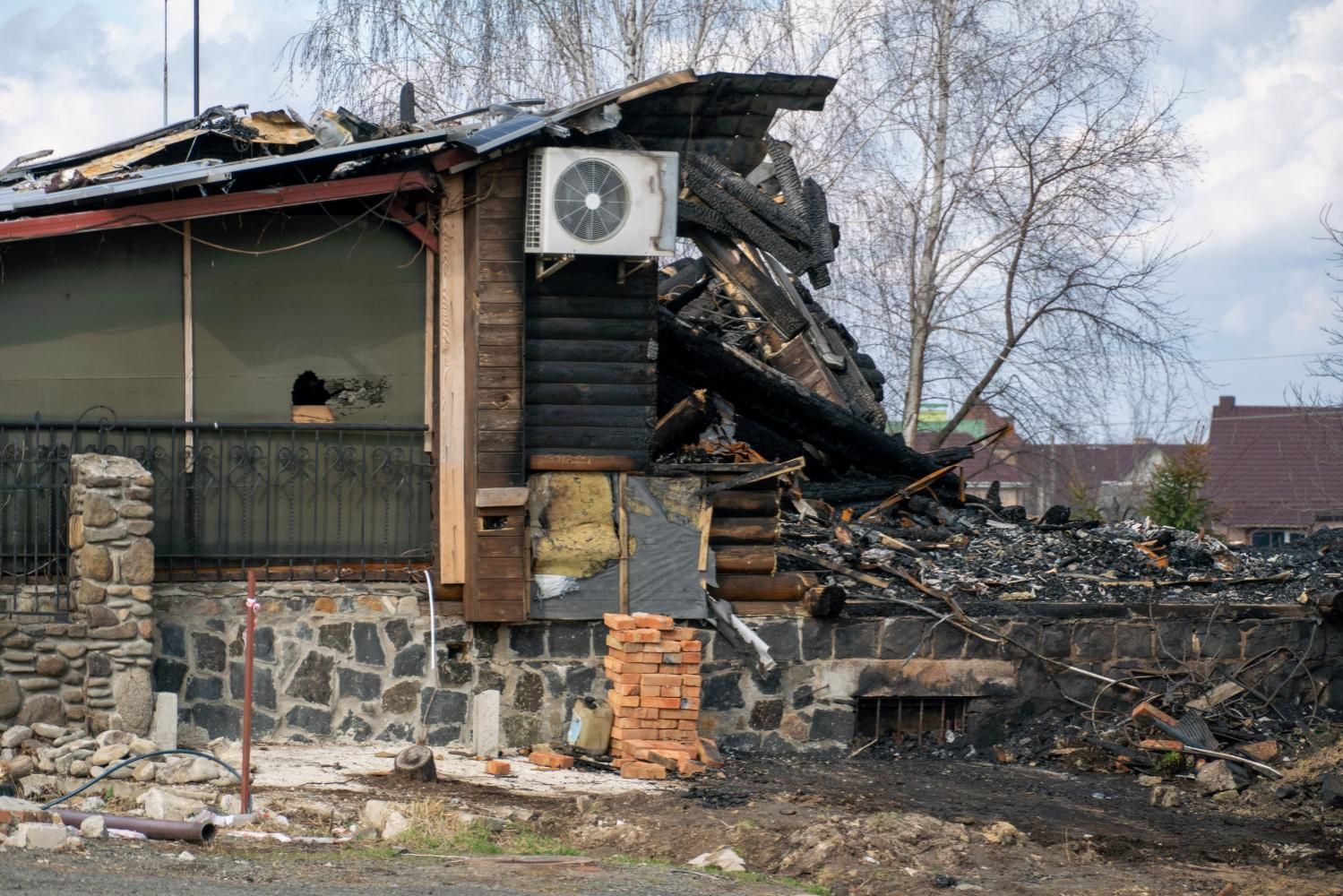
A fire can devastate a property within minutes, leaving behind structural damage, smoke contamination, water saturation from firefighting efforts, and extensive personal losses. Recovering from such an event involves far more than cleanup and rebuilding. Fire damage claims in Highland, IN require detailed documentation, accurate valuation of losses, and careful coordination with insurance carriers.
Premier Loss Advisors
assists property owners through this complex process, helping ensure that all categories of damage are identified and properly included in the claim.
Types of Damage Caused by Structure Fires
Fire incidents typically produce multiple layers of destruction beyond the visible burn areas. Insurance claims must account for both direct and indirect damage in order to reflect the true scope of loss.
Structural Fire Damage
Extreme heat can compromise framing, load-bearing components, roofing systems, and foundations. Even areas not fully burned may be weakened by high temperatures, making them unsafe without significant repair or replacement. Building materials such as wood, drywall, and insulation often require removal due to structural instability or contamination.
Smoke and Soot Contamination
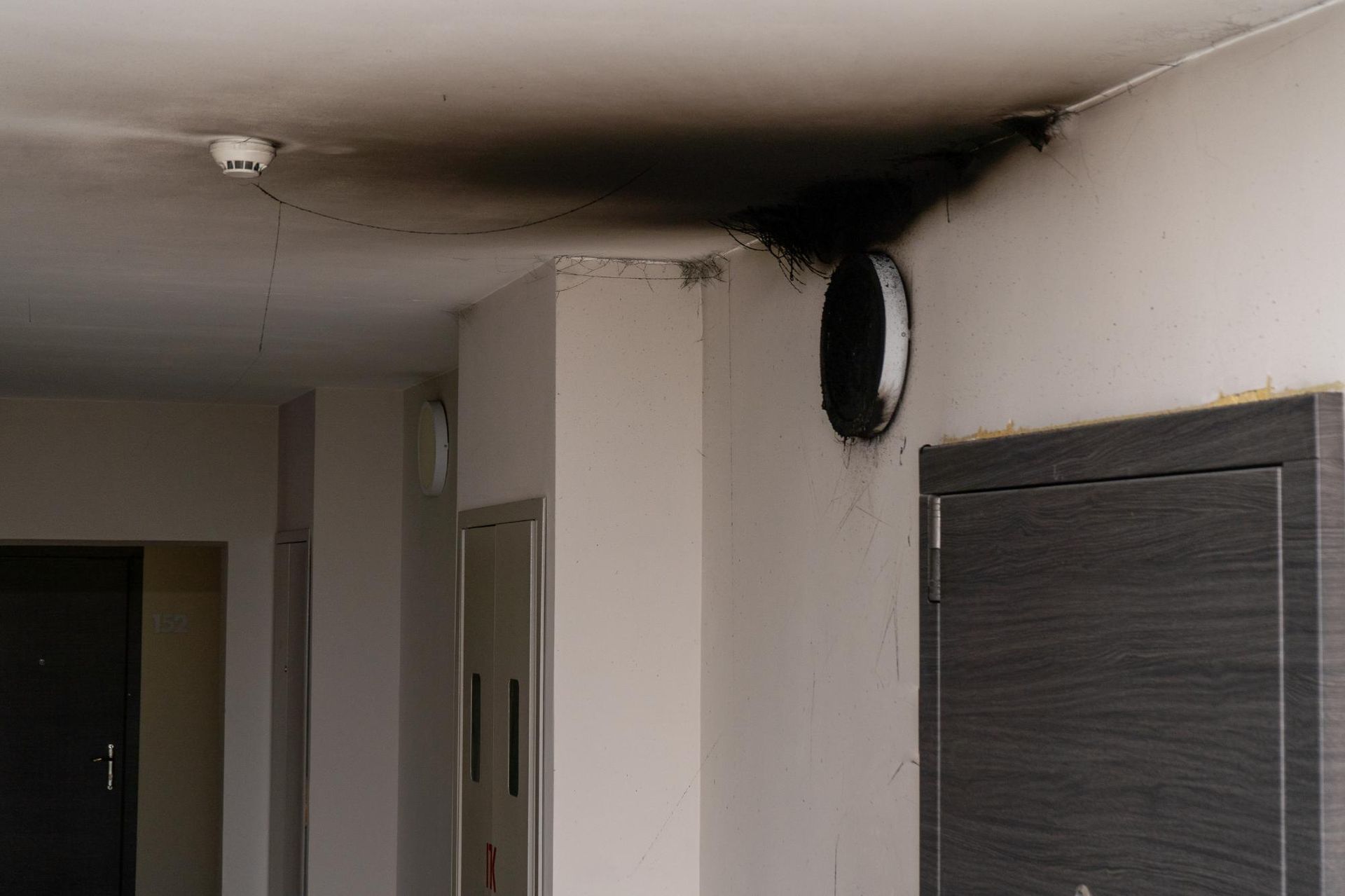
Smoke travels throughout a structure, penetrating porous materials and leaving behind corrosive soot residues. Walls, ceilings, ductwork, cabinetry, and personal belongings may all be affected, even in rooms far from the fire’s origin. Soot can cause permanent staining, odor issues, and deterioration of metals and electronics.
Water Damage from Fire Suppression
Firefighting efforts frequently involve large volumes of water, which can saturate flooring, subfloors, insulation, and interior finishes. Standing moisture increases the risk of mold growth, wood rot, and secondary structural damage. Claims must consider both immediate water extraction needs and long-term remediation.
Documenting Losses for Insurance Purposes
Accurate documentation is essential when filing a fire damage claim. Insurers require proof of loss for both structural components and personal property, along with evidence linking the damage to the fire event.
Premier Loss Advisors
conducts detailed inspections and compiles comprehensive records, including photographs, measurements, and written assessments. This process helps ensure that hidden damage—such as smoke infiltration inside wall cavities or compromised wiring—is not overlooked.
Building Component Evaluation
Assessing structural elements involves determining what can be cleaned or repaired versus what must be replaced. Heat exposure can weaken materials in ways that are not visible on the surface, requiring professional evaluation to establish safety and compliance with building codes.
Personal Property Inventory
Fire claims often include extensive lists of damaged or destroyed belongings. Furniture, clothing, electronics, appliances, and valuables must be itemized with estimated replacement costs. Creating a thorough inventory is time-consuming but necessary to support compensation for contents losses.
Additional Living Considerations
If the property is uninhabitable, insurance policies may provide coverage for temporary housing and related expenses. Proper documentation of displacement helps ensure these costs are recognized as part of the claim.
Addressing Hidden and Secondary Damage
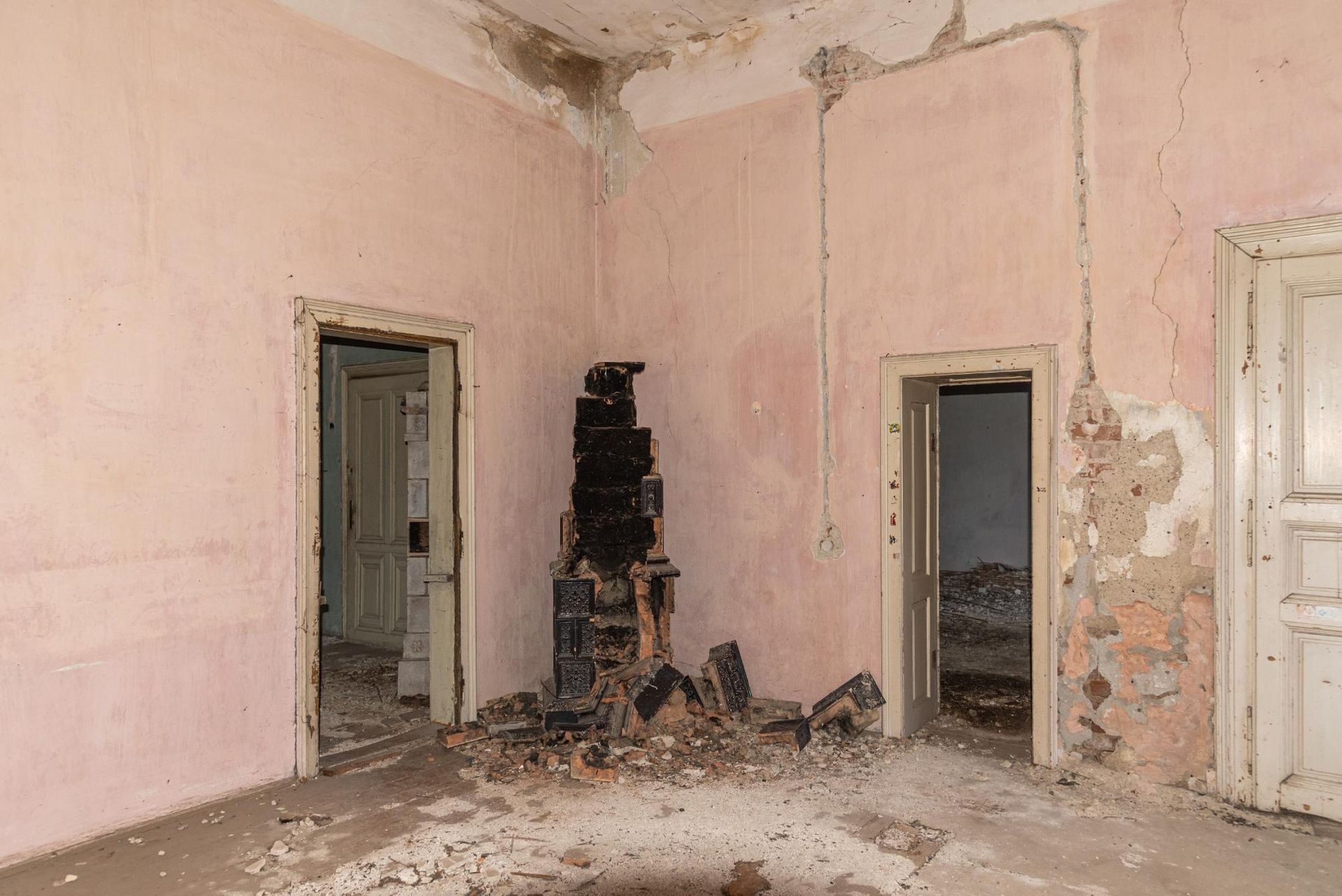
Not all fire-related damage is immediately apparent. Residual smoke particles can remain embedded in materials long after the flames are extinguished, and moisture from suppression efforts may continue to affect the structure.
Odor Persistence and Air Quality Issues
Smoke odors can linger due to microscopic particles trapped in fabrics, insulation, and ventilation systems. Without proper remediation, these odors may resurface even after cleaning or repainting. Claims should account for specialized deodorization procedures when necessary.
Electrical and Mechanical System Damage
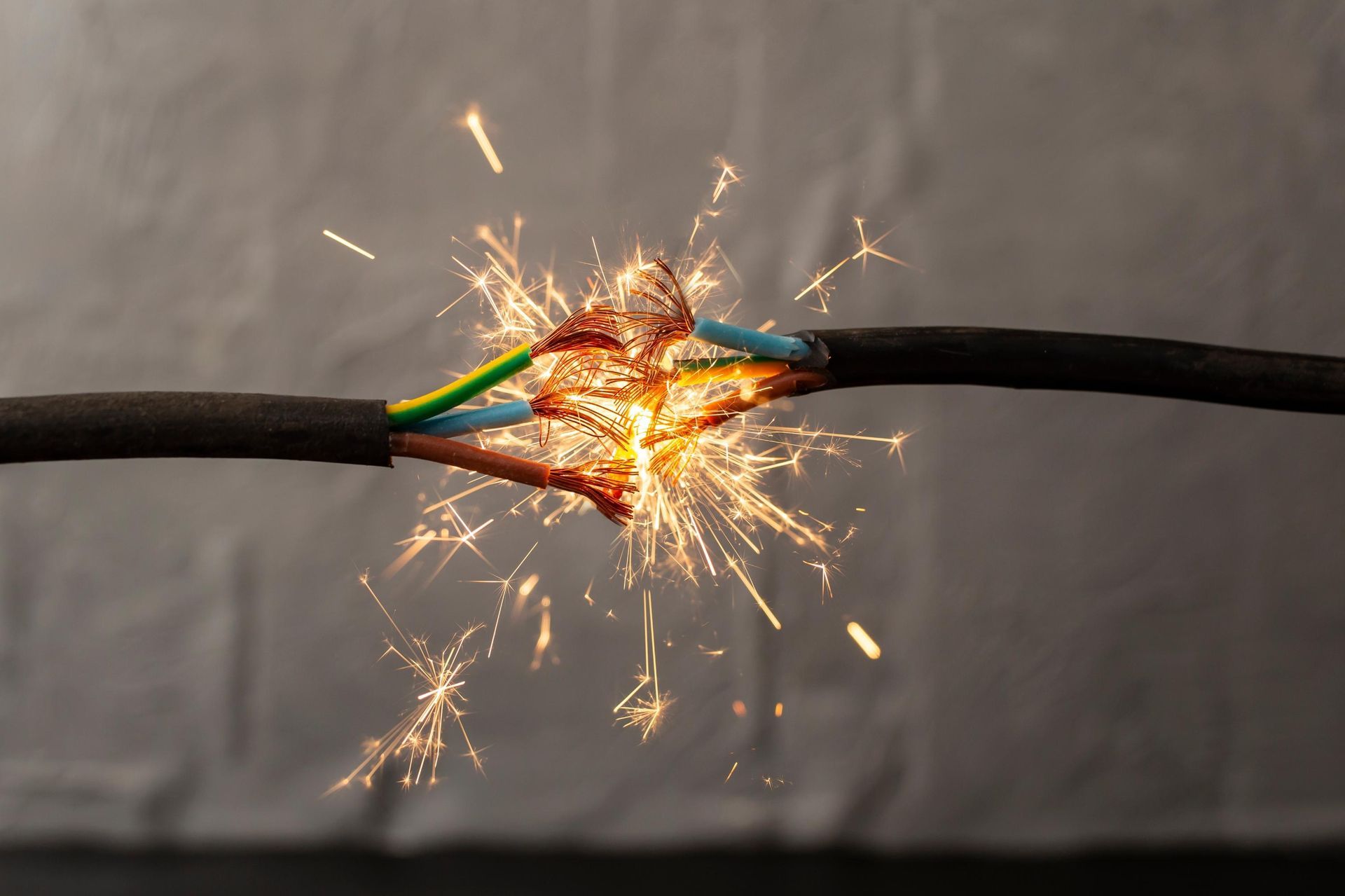
Heat and water exposure can impair wiring, circuit breakers, HVAC equipment, and plumbing components. These systems may appear functional initially but fail later due to hidden deterioration. Thorough inspection helps determine whether repair or full replacement is required.
Long-Term Structural Concerns
Charred framing, compromised roof assemblies, and weakened connectors can reduce the building’s structural integrity. Ensuring these issues are addressed during the claim process is critical for safe reconstruction.
Navigating the Insurance Adjustment Process
Insurance carriers typically assign adjusters to evaluate fire damage and estimate repair costs. However, the scope of their assessment may differ from independent findings, particularly regarding smoke damage, code upgrades, or full replacement needs.
Premier Loss Advisors works to present a complete claim supported by evidence, contractor estimates, and policy interpretation. This may involve responding to insurer inquiries, requesting supplemental payments, or disputing conclusions that do not reflect the actual condition of the property.
Fire claims can also involve coordination with restoration companies, engineers, and local authorities. Managing these communications helps prevent delays and ensures that the claim progresses in accordance with policy requirements.
Local Factors Affecting Fire Damage Claims in Highland, IN
Properties in Highland, IN vary widely in age, construction methods, and materials, all of which influence how fire damage manifests and how repairs must be performed. Older homes may contain outdated electrical systems or materials that require specialized handling, while newer structures may involve modern building components with different restoration considerations.
Local building codes and permit requirements also play a role in reconstruction following a fire. Insurance settlements must account for these standards, particularly when upgrades are necessary to meet current regulations.
Premier Loss Advisors
provides assistance tailored to the conditions and requirements specific to Highland, helping property owners present claims that accurately reflect local rebuilding needs and compliance obligations.
Support From Initial Loss to Final Settlement
Recovering from a fire involves emotional stress, logistical challenges, and financial uncertainty. Managing the insurance claim simultaneously can add significant pressure. Professional guidance helps ensure that the process is handled thoroughly and efficiently.
Premier Loss Advisors
supports clients from the initial damage assessment through negotiation and settlement, working to ensure that all aspects of the loss are recognized. Fire damage claims in Highland, IN demand careful attention to detail, comprehensive documentation, and knowledgeable advocacy to achieve a fair resolution and enable proper restoration of the property.
