
Hurricane and Tornado Damage Claims in Highland, IN
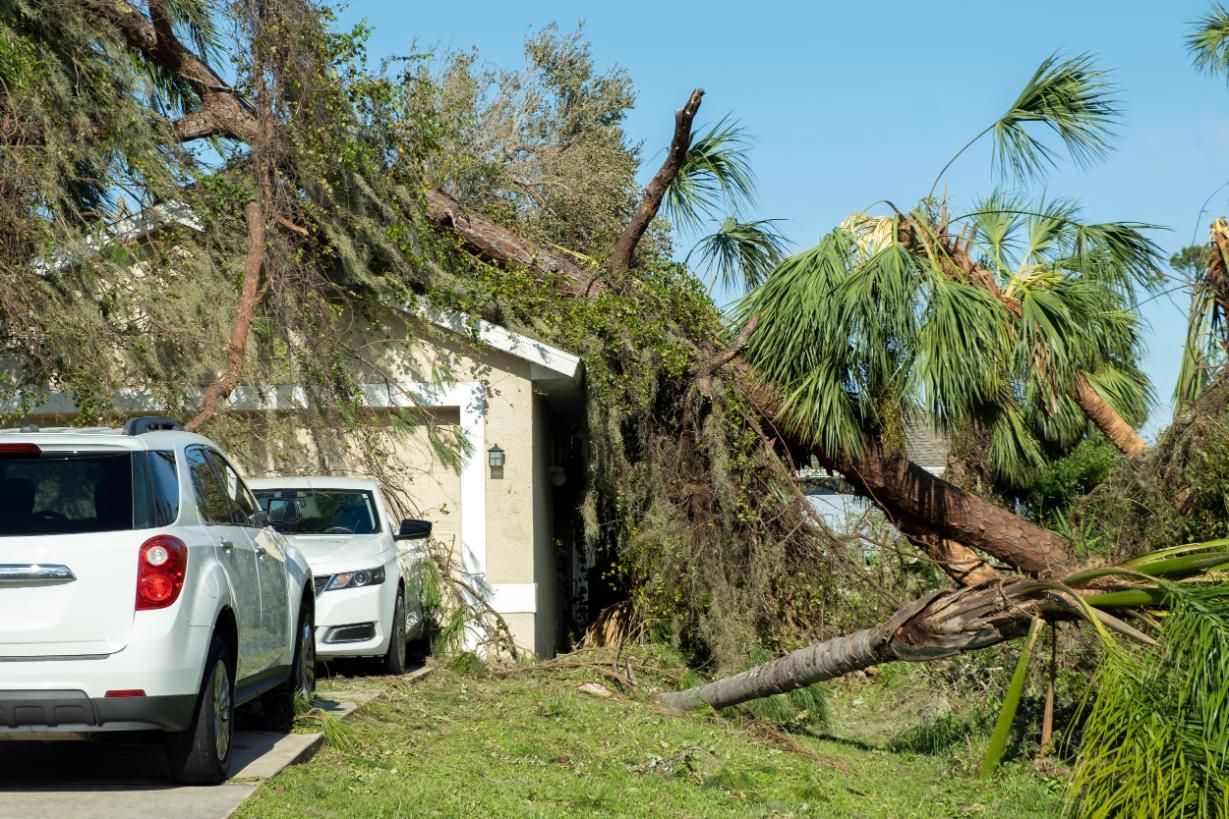
Severe wind events such as tornadoes and hurricane remnants can cause catastrophic damage to residential and commercial properties across Northwest Indiana. While full hurricanes rarely reach inland areas with their original strength, the remnants can still produce destructive winds, heavy rain, and flying debris. Tornadoes, on the other hand, can strike with little warning and create concentrated paths of devastation. Hurricane and tornado damage claims in Highland, IN often involve extensive structural loss, multiple types of damage, and complicated insurance considerations.
Premier Loss Advisors
assists property owners in documenting destruction, preparing claims, and navigating negotiations with insurers after these high-impact events.
Nature of Hurricane and Tornado Damage
Unlike isolated storm incidents, hurricanes and tornadoes typically affect entire communities at once, leading to widespread destruction and strained response resources. The combination of wind pressure, debris impact, and water intrusion can compromise nearly every part of a structure.
Roof and Structural Failure
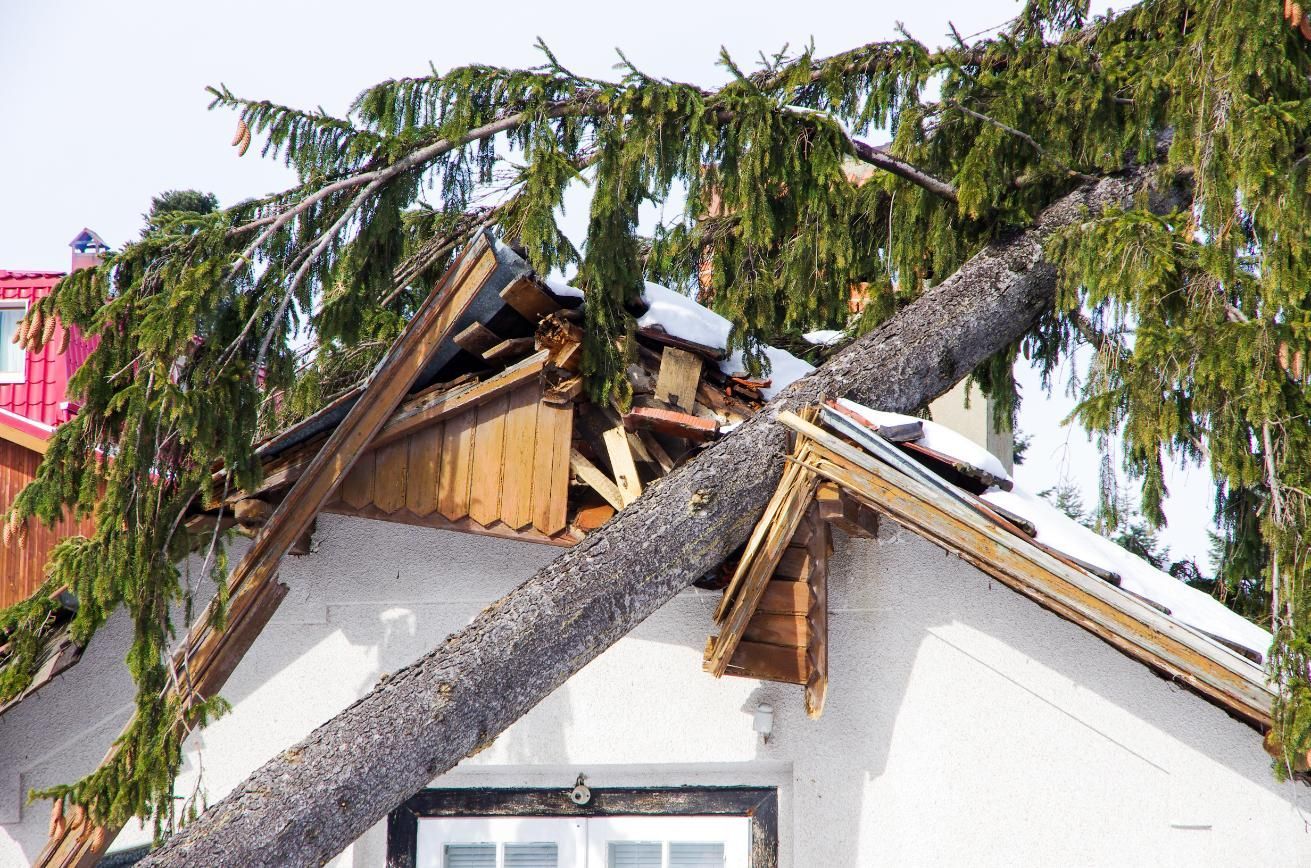
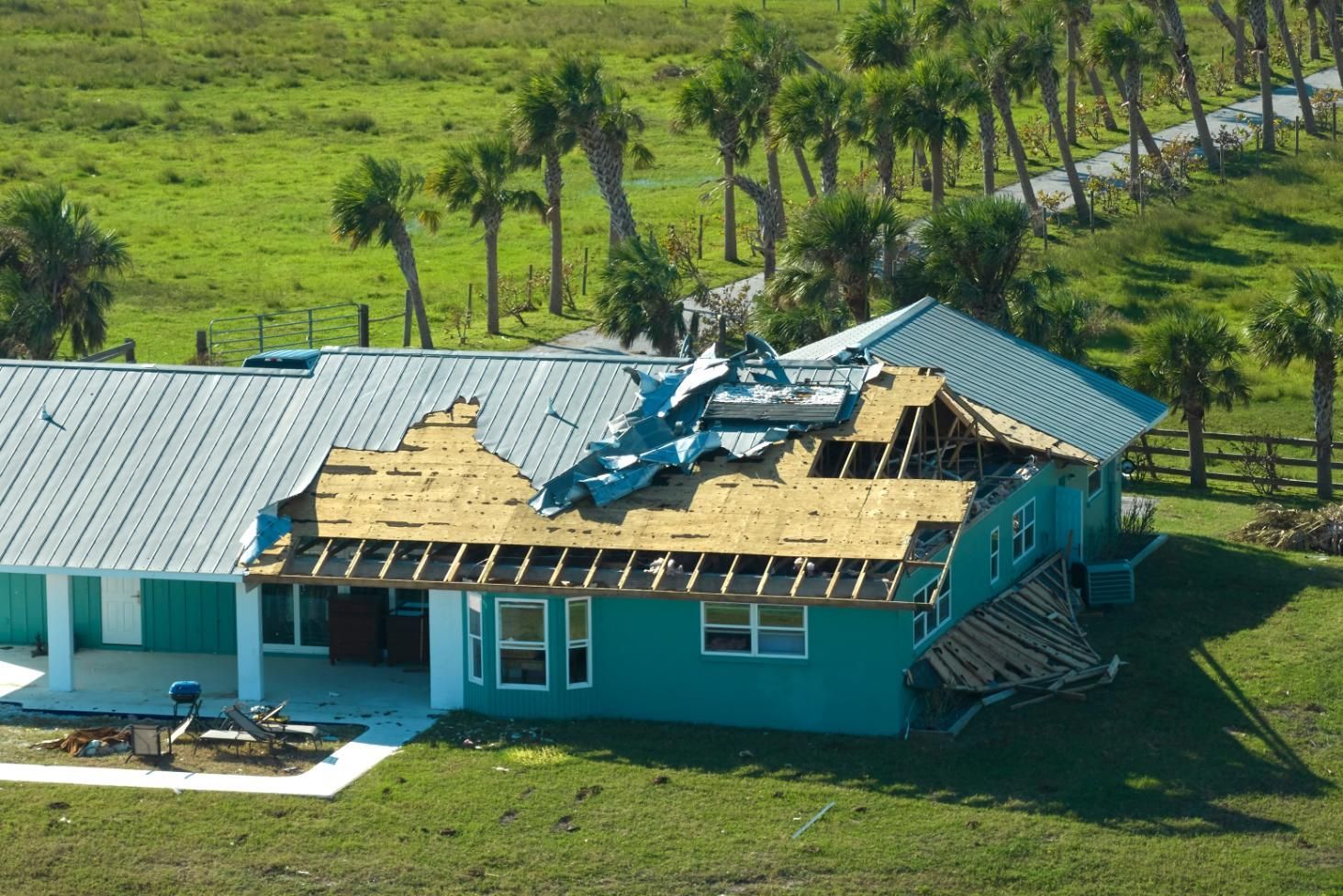
Extreme winds can lift roofing materials, tear away entire roof sections, or collapse structural components. Tornadoes in particular generate powerful uplift forces capable of removing framing elements and exposing interiors directly to the elements. Even when a structure remains standing, hidden structural damage may be present.
Debris Impact Damage
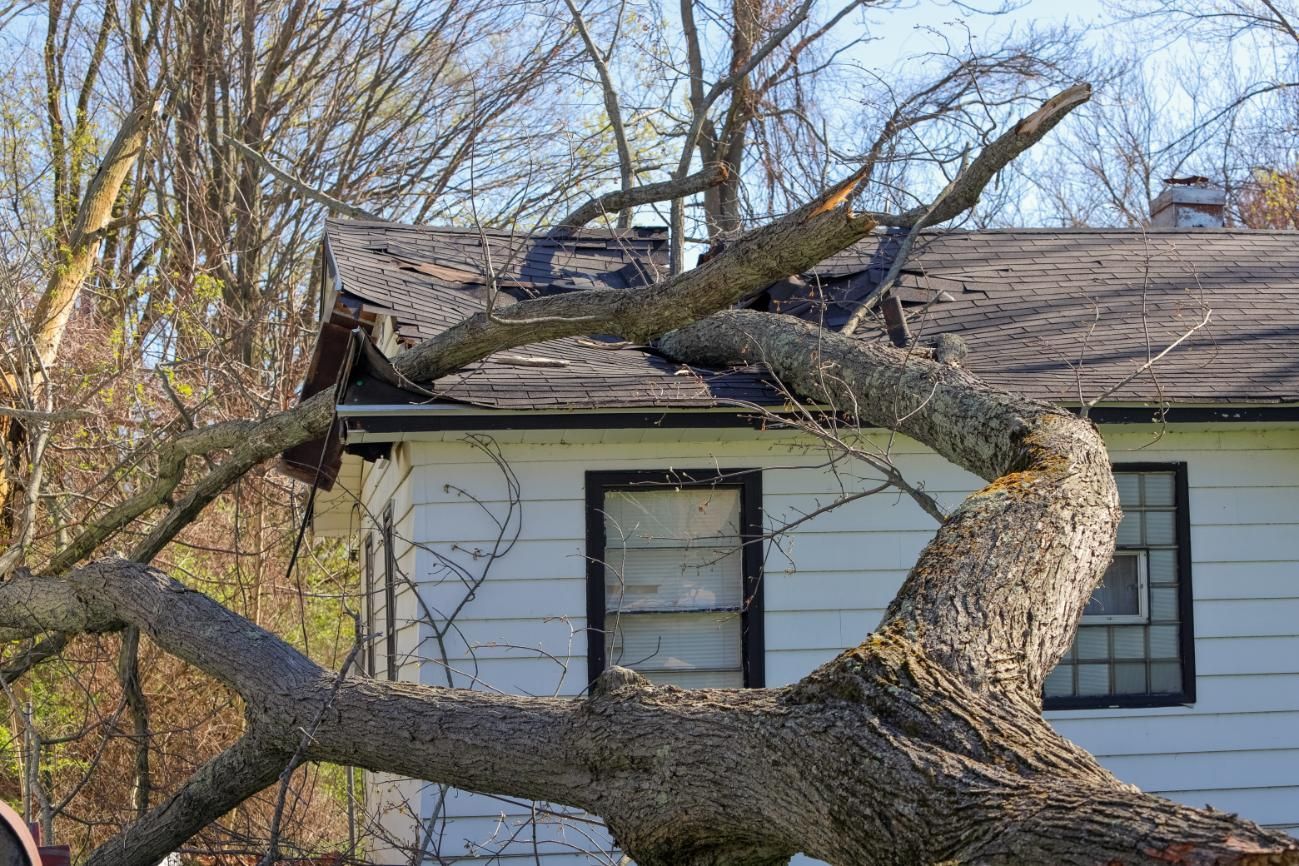
High winds propel objects such as tree limbs, outdoor furniture, signage, and building fragments at dangerous speeds. These projectiles can shatter windows, puncture walls, and damage vehicles or adjacent structures. The resulting openings allow additional rain and debris to enter the building.
Exterior Envelope Compromise
Siding, soffits, fascia, gutters, and doors frequently suffer severe damage during wind events. Once the exterior envelope is breached, water intrusion becomes a major concern, leading to interior damage that may continue long after the storm has passed.
Secondary Water and Moisture Damage
Wind events are often accompanied by heavy rainfall, which can infiltrate damaged structures and create additional losses beyond the initial impact.
Interior Water Intrusion
When roofs or walls are compromised, rainwater can soak insulation, drywall, flooring, and personal belongings. This moisture may spread throughout the building, affecting areas far from the original point of entry.
Mold and Microbial Growth
Persistent damp conditions create an environment conducive to mold development. Growth can begin within days, damaging materials and affecting indoor air quality. Remediation costs are often significant and must be accounted for in the claim.
Foundation and Drainage Effects
Prolonged rainfall may saturate surrounding soil, leading to foundation seepage or basement flooding. These issues can compound structural damage and complicate restoration efforts.
Insurance Coverage Considerations
Hurricane and tornado claims frequently involve multiple coverage categories, including wind damage, debris removal, structural repair, and personal property loss. Policies may contain specific provisions, deductibles, or exclusions related to named storms or wind events.
Premier Loss Advisors helps interpret policy language and identify all applicable coverages. This includes preparing detailed proof of loss documentation, gathering repair estimates, and ensuring that time-sensitive requirements are met. Accurate presentation is critical, particularly when damages extend beyond obvious structural issues.
Insurance carriers typically deploy adjusters following large-scale disasters, but high claim volumes can lead to limited inspections or delayed responses. Independent representation helps ensure that the property receives a thorough evaluation despite these challenges.
Evaluating Hidden and Long-Term Damage
Not all hurricane or tornado damage is immediately visible. Structural stress, moisture infiltration, and compromised materials may deteriorate over time if not properly addressed.
Compromised Structural Components
Wind pressure can weaken connections between framing elements, even when no collapse occurs. Engineers or specialized inspectors may be needed to determine whether reinforcement or reconstruction is necessary.
Damage to Mechanical Systems
HVAC units, electrical panels, and exterior equipment are vulnerable to debris impact and water exposure. Malfunctions may appear weeks later, making early assessment important for accurate claims.
Landscape and Site Damage
Fallen trees, damaged fencing, and disrupted grading can affect property safety and drainage. Removal and restoration costs are often included as part of the overall loss.
Claim Disputes and Settlement Challenges
Large-scale storm events often lead to disagreements regarding the extent of damage, repair methods, or valuation. Insurers may attribute certain issues to pre-existing conditions or propose partial repairs that do not fully restore the structure.
Premier Loss Advisors works to resolve these disputes by presenting comprehensive evidence, contractor evaluations, and policy-based arguments. This process may involve supplemental claims, re-inspections, or negotiations to address overlooked damages.
Timely action is particularly important following hurricanes or tornadoes because repair costs and contractor availability can fluctuate as communities recover. Ensuring that the claim accurately reflects the required scope of work helps prevent financial shortfalls during reconstruction.
Storm Risk Factors in Highland, IN
Highland, IN is susceptible to severe weather associated with Midwest storm systems, including tornado activity and remnants of tropical storms that travel inland. Flat terrain and open areas can allow winds to move with little obstruction, increasing the potential for widespread damage.
Local building practices, roof types, and property age also influence how structures respond to extreme wind forces. Understanding these regional characteristics helps establish the connection between observed damage and the specific storm event.
Premier Loss Advisors
provides assistance tailored to the conditions typical of Highland, helping property owners prepare claims that accurately reflect both immediate destruction and long-term restoration needs.
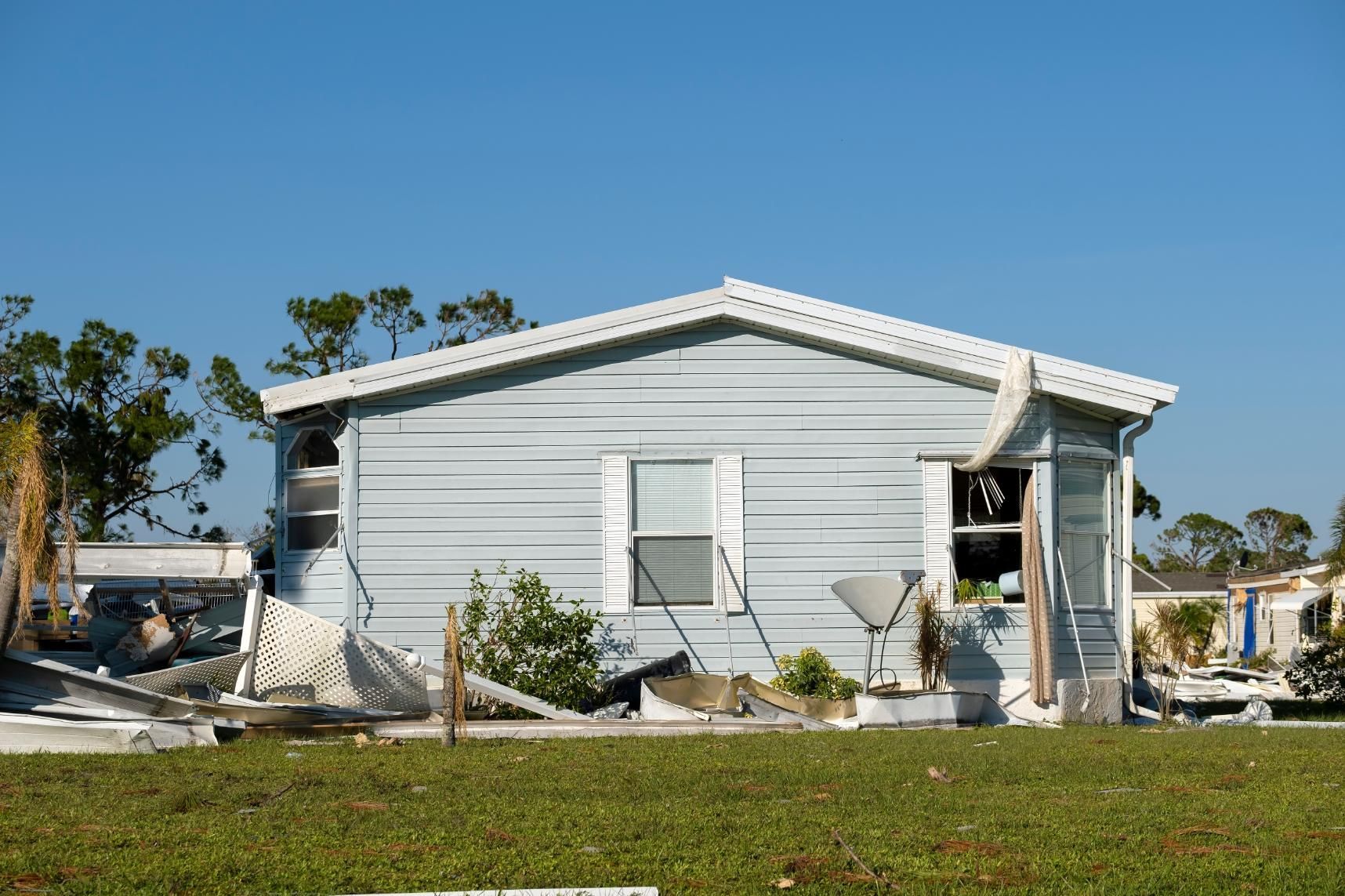
Professional Assistance From Assessment to Resolution
Recovering from a hurricane or tornado involves emergency measures, temporary repairs, and coordination with restoration professionals while managing an insurance claim. The process can be complex and emotionally taxing for property owners.
Premier Loss Advisors
supports clients throughout every stage, from initial damage inspection to final settlement negotiations. Hurricane and tornado damage claims in Highland, IN require detailed documentation, careful evaluation of all loss components, and knowledgeable advocacy to secure a settlement that enables safe and complete rebuilding.
