
Flood Damage Claims in Highland, IN
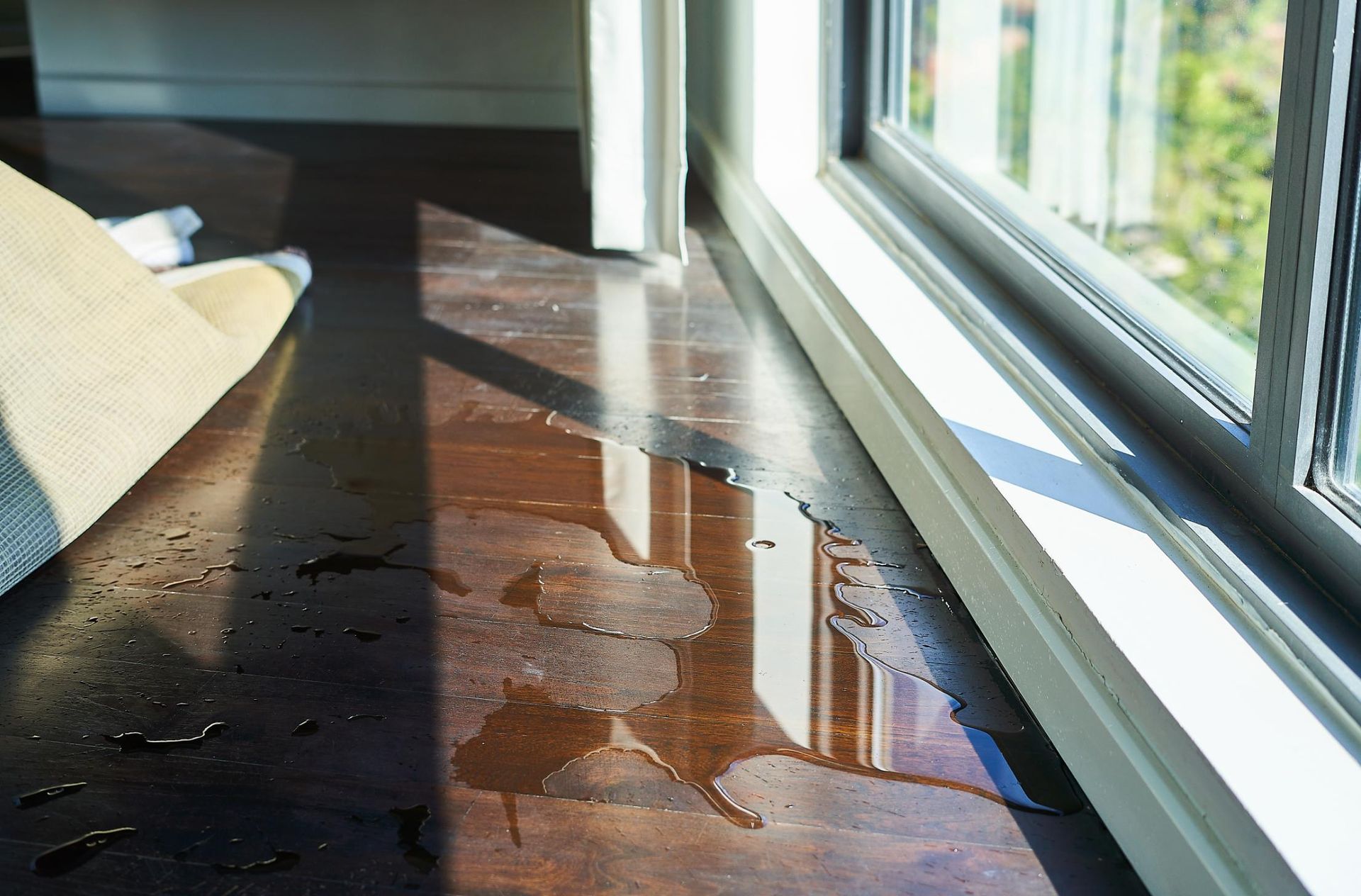
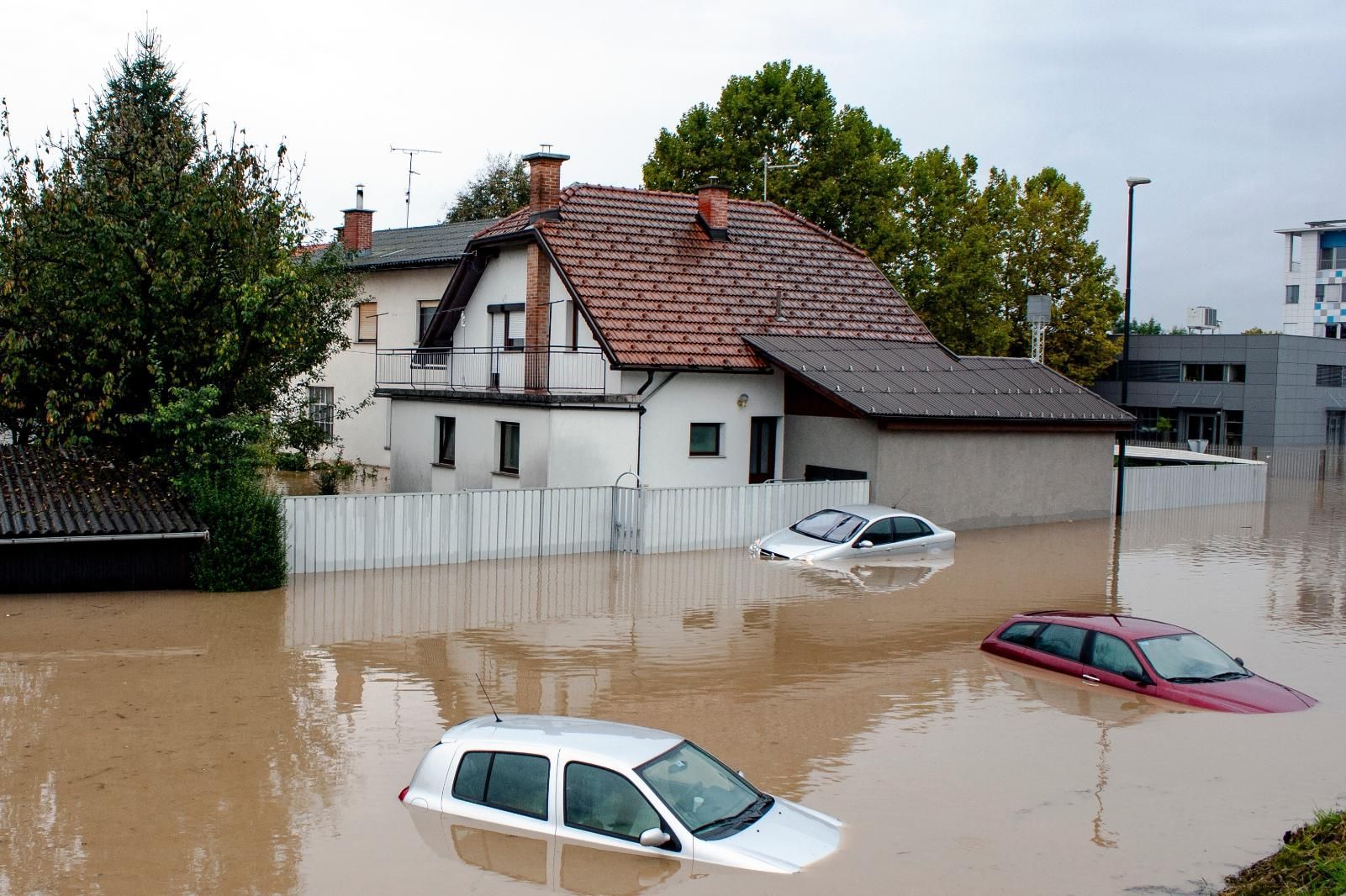
Flooding can cause widespread destruction to homes and commercial properties, often affecting structural components, mechanical systems, and personal belongings simultaneously. Whether caused by heavy rainfall, snowmelt, drainage failures, or nearby water sources overflowing, flood events can leave behind extensive damage that is costly and complex to repair. Flood damage claims in Highland, IN involve strict documentation requirements and policy-specific procedures that differ from standard property claims.
Premier Loss Advisors
assists property owners in evaluating losses, preparing detailed claim submissions, and navigating the insurance process from start to finish.
Sources and Types of Flood Damage
Flooding is not limited to rising rivers or large-scale disasters. In many cases, water enters a structure from ground level due to saturated soil, overwhelmed storm drains, or surface runoff accumulating around foundations.
Surface Water Intrusion
Heavy precipitation can cause water to pool around buildings and seep through foundation cracks, basement walls, or window wells. This type of intrusion often affects lower levels first, damaging flooring, drywall, insulation, and stored contents.
Sewer and Drain Backup
When municipal systems are overloaded, wastewater can flow backward into properties through floor drains, toilets, or sinks. This situation introduces contaminated water that requires specialized cleanup and may necessitate removal of affected materials for health reasons.
Groundwater Pressure Effects
Hydrostatic pressure builds as soil becomes saturated, forcing moisture through porous materials and structural joints. Even without visible standing water, this pressure can cause foundation damage, wall bowing, and long-term deterioration.
Impact on Structural Components
Floodwater affects building materials differently depending on exposure time, water depth, and contamination level. Proper evaluation determines what can be salvaged and what must be replaced to restore safety and functionality.
Foundation and Framing Concerns
Prolonged moisture exposure can weaken concrete, corrode metal reinforcements, and compromise wooden framing. Structural assessments are often necessary to determine whether repairs are sufficient or partial reconstruction is required.
Flooring and Interior Finishes
Carpet, laminate, hardwood, and tile systems may all suffer damage when submerged. Subflooring and adhesives can deteriorate, leading to warping, separation, or microbial growth. Drywall and insulation typically absorb water quickly and may need removal to prevent mold development.
Electrical and Mechanical Systems
Water exposure poses serious risks to wiring, outlets, circuit panels, HVAC equipment, and appliances. Even after drying, corrosion or contamination can lead to failures or safety hazards. Claims must address inspection, repair, or replacement of these systems.
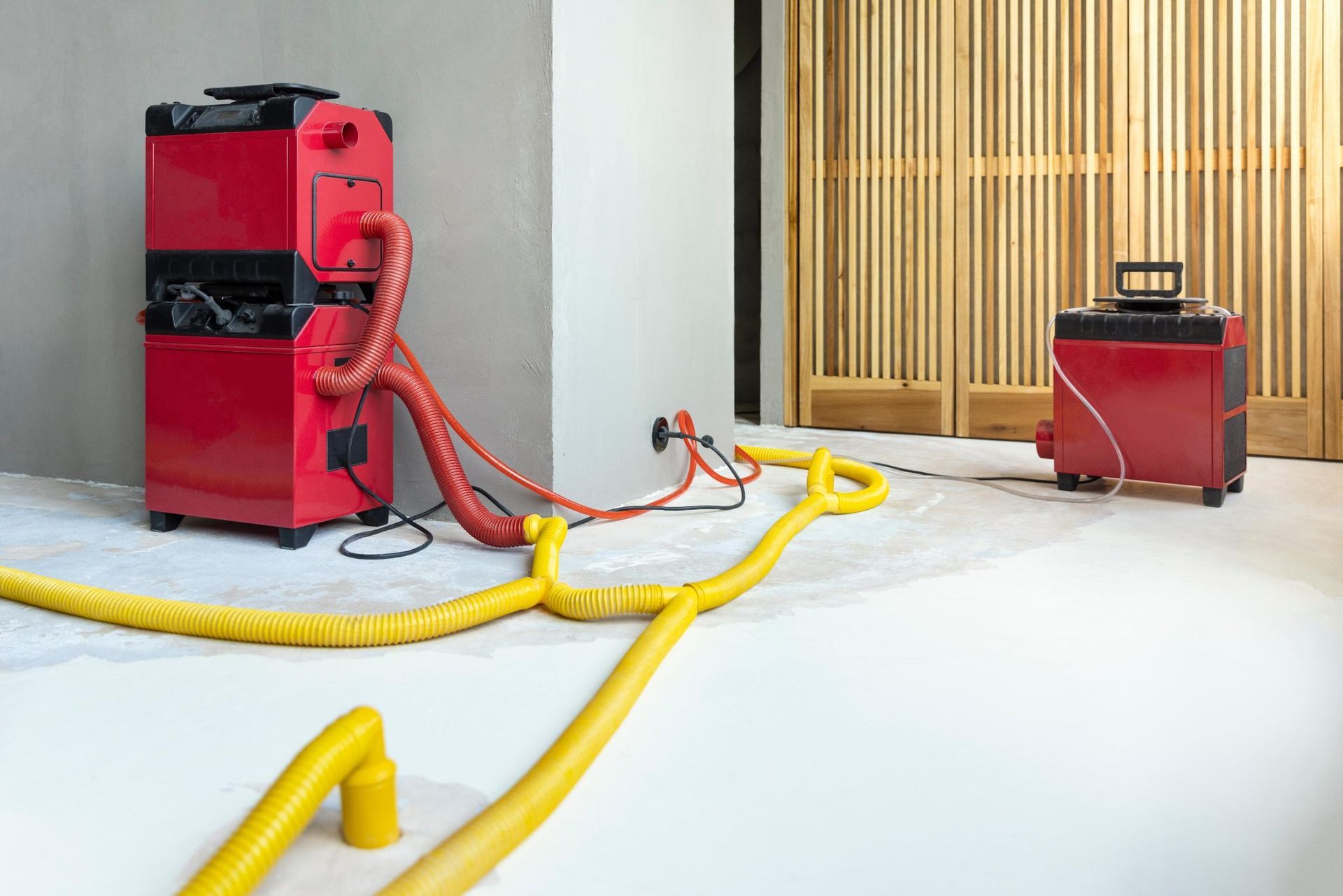
Personal Property and Contents Losses
Flooding often destroys furniture, clothing, electronics, documents, and stored items. Unlike structural damage, which may be visible, contents losses require detailed accounting to ensure proper compensation.
Inventory Documentation
Each affected item should be identified with descriptions, estimated values, and evidence of ownership when possible. Photographs, receipts, or prior appraisals can support the claim and help establish replacement costs.
Irreparable vs. Salvageable Items
Some belongings can be cleaned and restored, while others must be discarded due to contamination or structural damage. Determining the appropriate category for each item is essential for accurate valuation.
Special Considerations for Valuables
Items such as artwork, collectibles, or specialized equipment may require expert evaluation to determine loss amounts. Policies often include separate limits or conditions for these categories.
Insurance Coverage and Claim Requirements
Flood damage claims differ significantly from standard water damage claims because coverage is often provided through specialized flood insurance policies rather than typical homeowners policies. These policies have distinct rules regarding deductibles, coverage limits, and documentation.
Premier Loss Advisors assists in interpreting policy language, identifying covered losses, and assembling the required proof of loss forms. Timelines for reporting and documentation are typically strict, making prompt and organized preparation essential.
Insurance inspections may occur shortly after the event, but initial assessments do not always capture the full extent of damage, particularly when moisture remains hidden within walls or subfloors. Supplemental claims may be necessary as additional issues become apparent during drying and restoration.
Addressing Hidden Moisture and Long-Term Risks
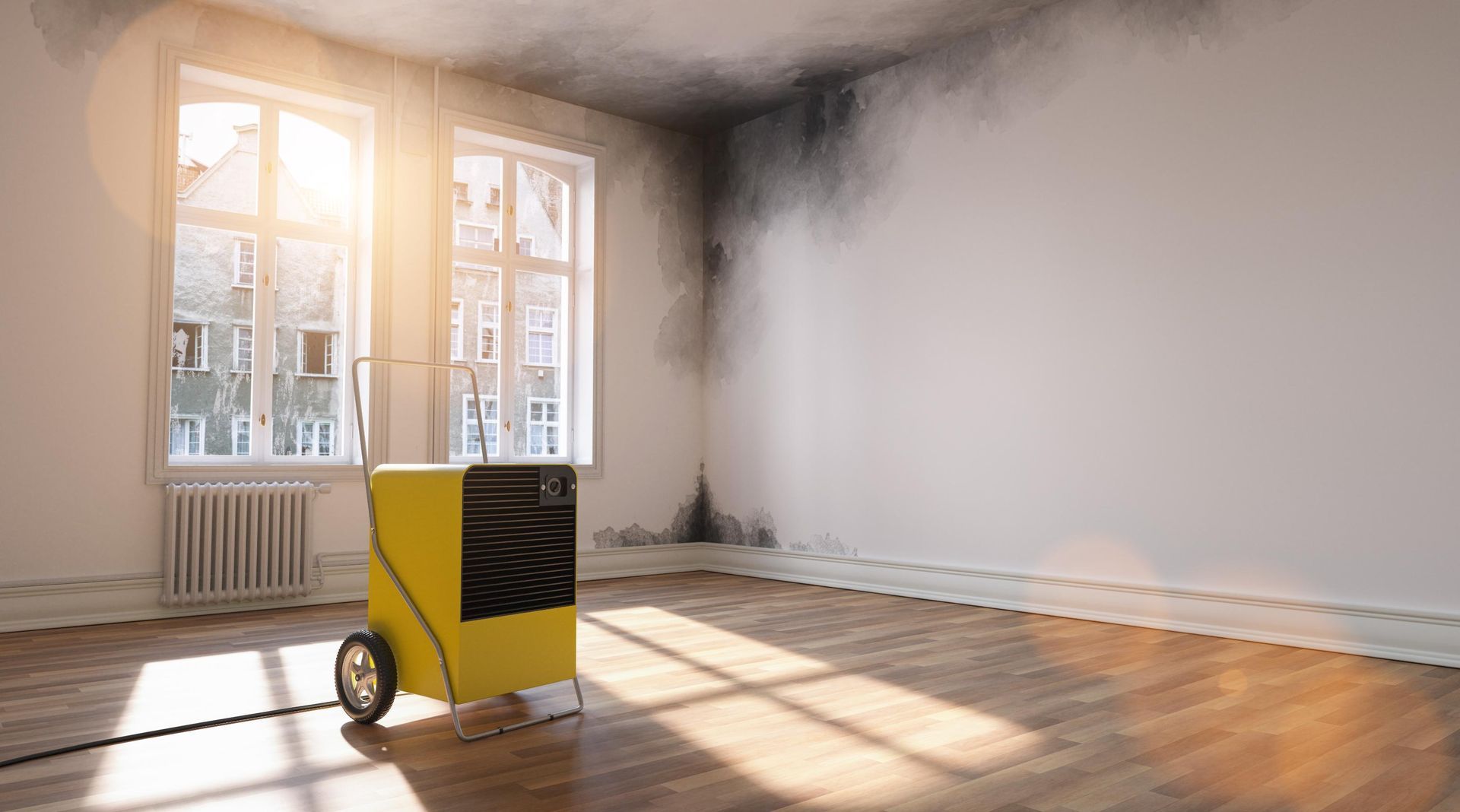
Even after visible water is removed, residual moisture can remain trapped in structural materials, creating conditions for mold growth and deterioration.
Mold Development Potential
Warm, damp environments allow mold to spread rapidly, affecting air quality and damaging materials. Remediation may involve removal of contaminated surfaces, specialized cleaning, and air filtration procedures.
Odor and Contamination Issues
Floodwater often carries sediment, chemicals, and biological contaminants that leave persistent odors and health concerns. Thorough sanitation is required before rebuilding can begin.
Delayed Structural Effects
Wood swelling, metal corrosion, and foundation shifting may occur over time as materials dry unevenly. Claims should account for these potential consequences to ensure adequate funding for repairs.
Local Flood Risks in Highland, IN
Highland, IN experiences seasonal weather patterns that can contribute to flooding, including heavy thunderstorms, rapid snowmelt, and saturated ground conditions. Properties with basements or located near low-lying areas may be particularly vulnerable to water intrusion during extreme weather events.
Local drainage infrastructure, soil composition, and proximity to waterways all influence how floodwater behaves and how severely structures are affected. Understanding these factors helps establish the cause of loss and supports accurate claim documentation.
Premier Loss Advisors
provides assistance tailored to the environmental conditions and regulatory requirements specific to Highland, ensuring that claims reflect both the immediate damage and the long-term restoration needs of the property.
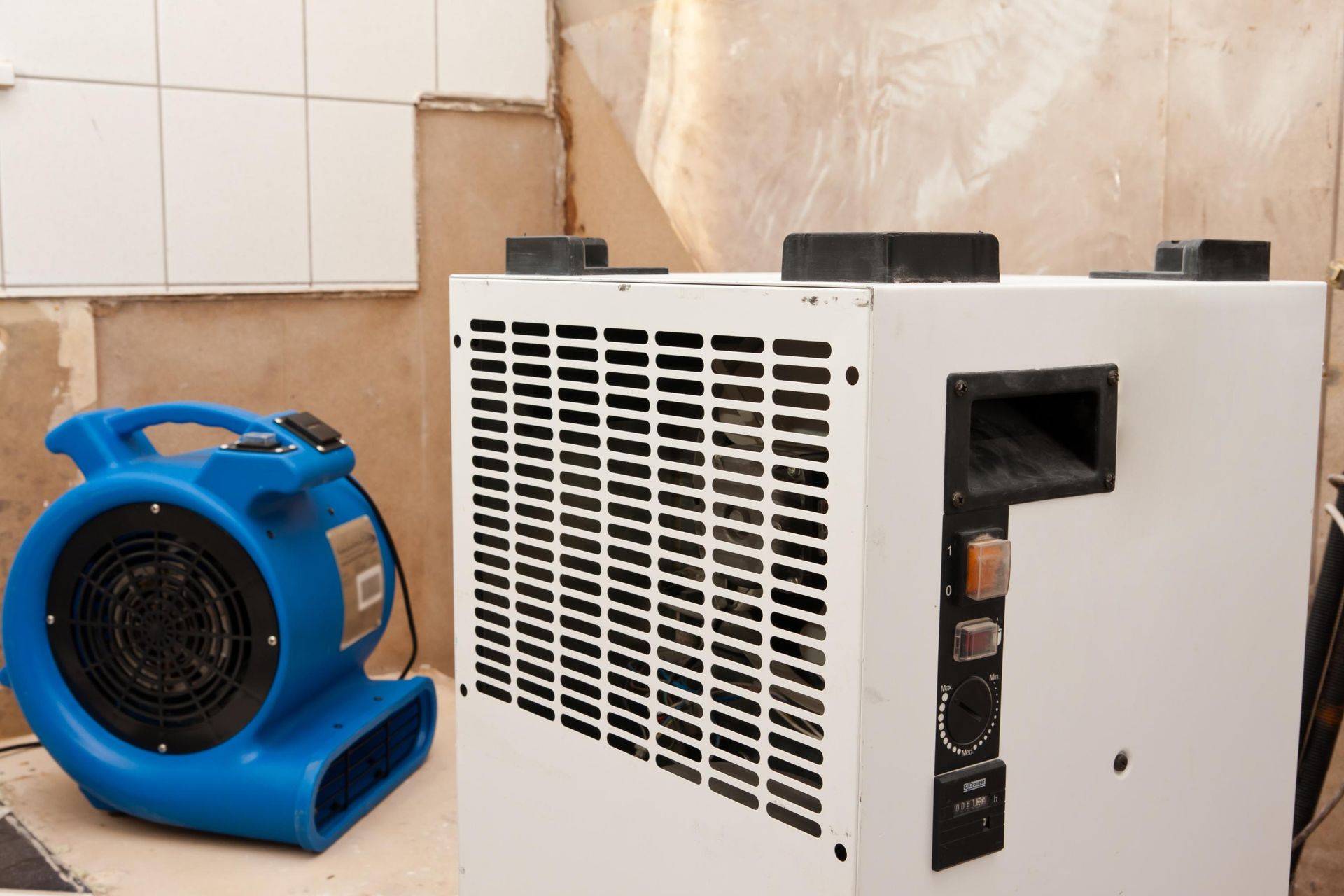
Guidance From Initial Damage to Claim Resolution
Recovering from flooding involves immediate mitigation efforts, extensive cleanup, and coordination with restoration professionals. Managing the insurance claim during this period can be challenging without experienced support.
Premier Loss Advisors
works with property owners throughout the process, from initial inspection and documentation to negotiations and final settlement. Flood damage claims in Highland, IN require careful attention to policy details, accurate assessment of losses, and thorough evidence to achieve a fair outcome and restore the property safely.
