
Water Restoration Inspections in Highland, IN
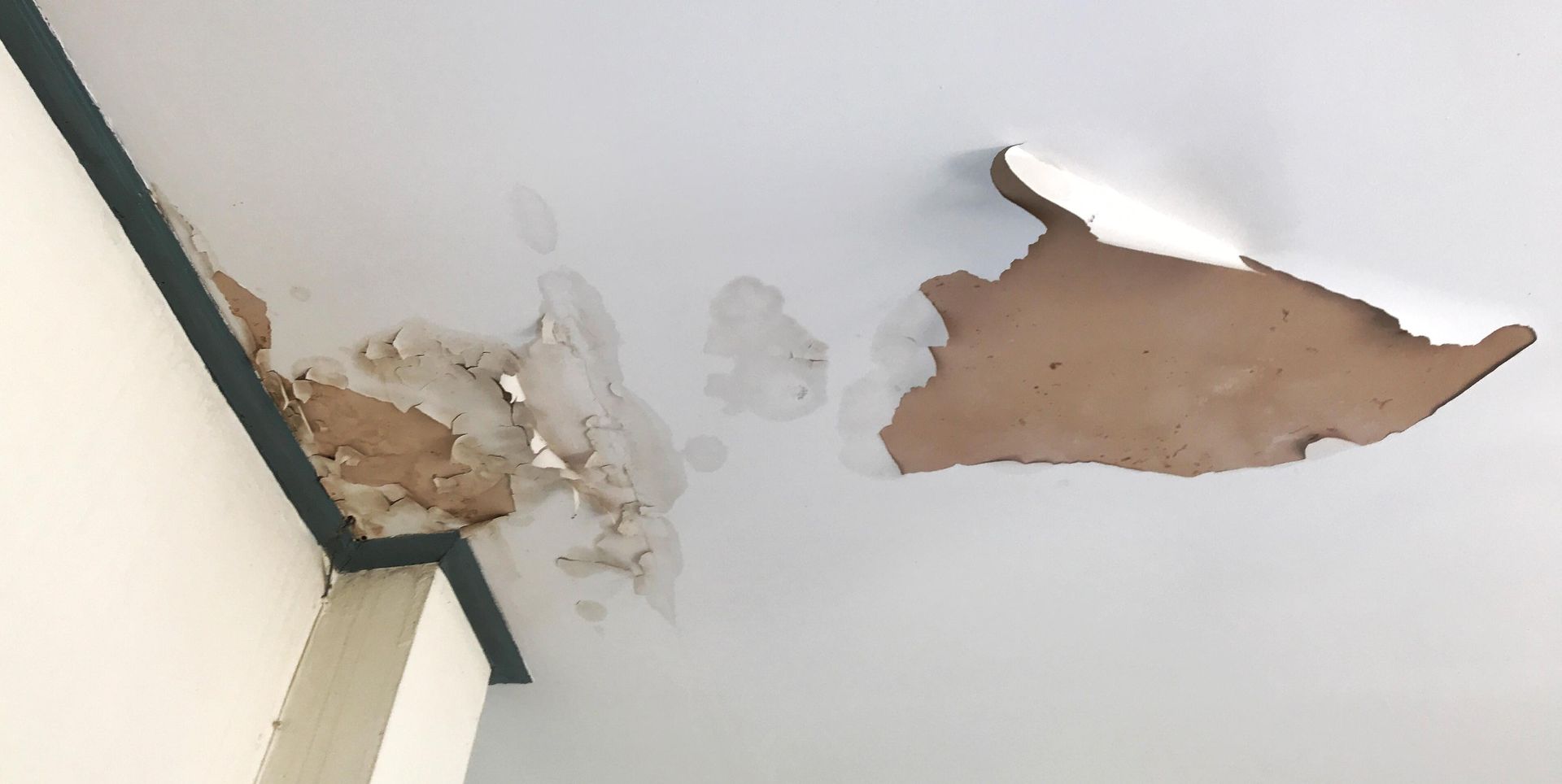
Water damage can occur suddenly or develop gradually, but in either case it can compromise structural materials, indoor air quality, and the safety of a property. Whether caused by plumbing failures, appliance leaks, roof breaches, or storm-related intrusion, excess moisture requires prompt evaluation to prevent further deterioration. Water restoration inspections in Highland, IN play a critical role in determining the extent of damage, guiding mitigation efforts, and supporting insurance claims.
Premier Loss Advisors
provides thorough inspections that identify both visible and hidden moisture-related issues so that restoration work can proceed effectively and completely.
Sources of Water Damage in Properties
Understanding where the water originated helps determine the type of damage present and the appropriate restoration approach. Different sources can affect materials in unique ways and may introduce contaminants that influence cleanup procedures.
Plumbing and Appliance Failures
Burst pipes, leaking supply lines, malfunctioning water heaters, and damaged appliances can release large volumes of water into a structure. These incidents often affect walls, flooring, cabinetry, and subfloor systems, especially when leaks go unnoticed for extended periods.
Roof and Exterior Intrusion
Compromised roofing materials, flashing failures, or damaged siding can allow rainwater to enter the building envelope. Water may travel along framing members or insulation, appearing far from the actual entry point and complicating detection.
Groundwater and Foundation Seepage
Saturated soil and hydrostatic pressure can force moisture through foundation walls or floor slabs, particularly in basements or lower levels. This type of intrusion may be persistent and require specialized mitigation measures.
Assessing Structural and Material Damage
Water affects building materials differently depending on exposure time, temperature, and contamination. A comprehensive inspection evaluates which components can be dried and restored versus those requiring removal.
Framing and Structural Elements
Wood framing can swell, warp, or weaken when exposed to prolonged moisture. Metal components may corrode, and concrete can develop cracks or spalling under certain conditions. Structural evaluation ensures the building remains safe and stable.
Interior Finishes and Insulation
Drywall, plaster, insulation, and ceiling materials absorb water quickly, often leading to deterioration or mold growth if not addressed promptly. Flooring systems may buckle, separate, or lose adhesion due to moisture infiltration.
Cabinetry and Built-In Features
Kitchen and bathroom cabinets, shelving, and trim are particularly vulnerable because they are frequently constructed from composite materials that deteriorate when wet. Inspection determines whether repair is feasible or replacement is necessary.
Moisture Detection and Monitoring Techniques
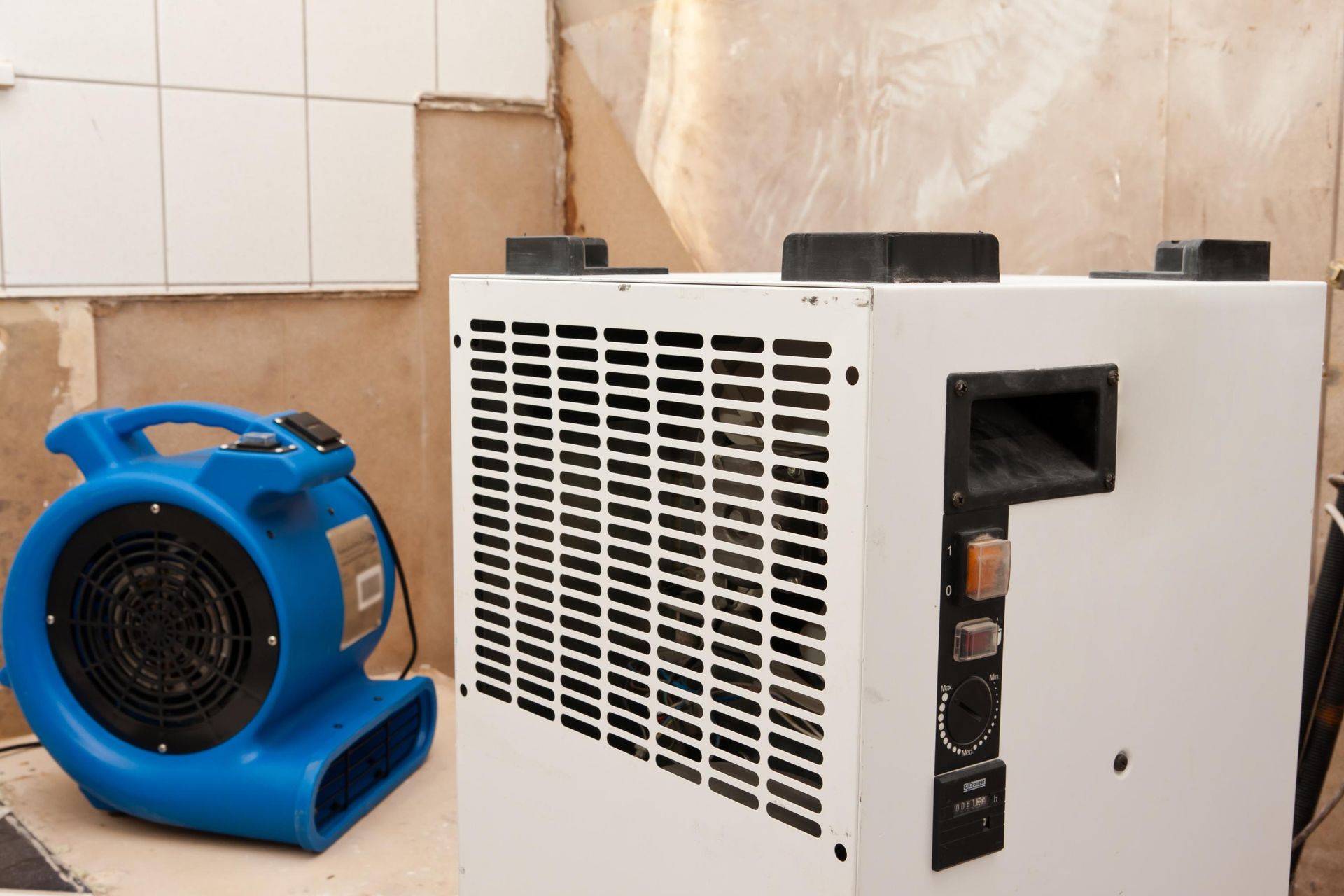
Not all water damage is visible on the surface. Specialized tools are used to locate hidden moisture and evaluate drying progress during restoration.
Moisture Meter Testing
Handheld meters measure the moisture content of materials, helping identify areas that remain wet even after visible water has been removed. This information guides targeted drying efforts.
Thermal Imaging
Infrared cameras detect temperature differences associated with moisture evaporation, revealing hidden damp areas within walls, ceilings, or floors without destructive probing.
Humidity and Air Quality Assessment
Elevated humidity levels can indicate ongoing moisture issues and increase the risk of microbial growth. Monitoring indoor conditions helps determine when the environment has stabilized sufficiently for repairs.
Mold Risk and Secondary Damage
When moisture persists, mold and other microbial growth can develop quickly, affecting both building materials and occupant health. Addressing these risks is an essential component of water restoration inspections.
Microbial Growth Potential
Organic materials such as wood, paper, and fabrics provide ideal conditions for mold colonization when damp. Early detection allows for containment and remediation before widespread contamination occurs.
Odor Development
Musty odors often signal hidden moisture or microbial activity. Eliminating the source requires thorough drying and cleaning rather than surface treatments alone.
Long-Term Material Degradation
Repeated wetting and drying cycles can weaken materials over time, leading to structural issues or cosmetic deterioration that may not be immediately apparent.

Documentation for Insurance Claims
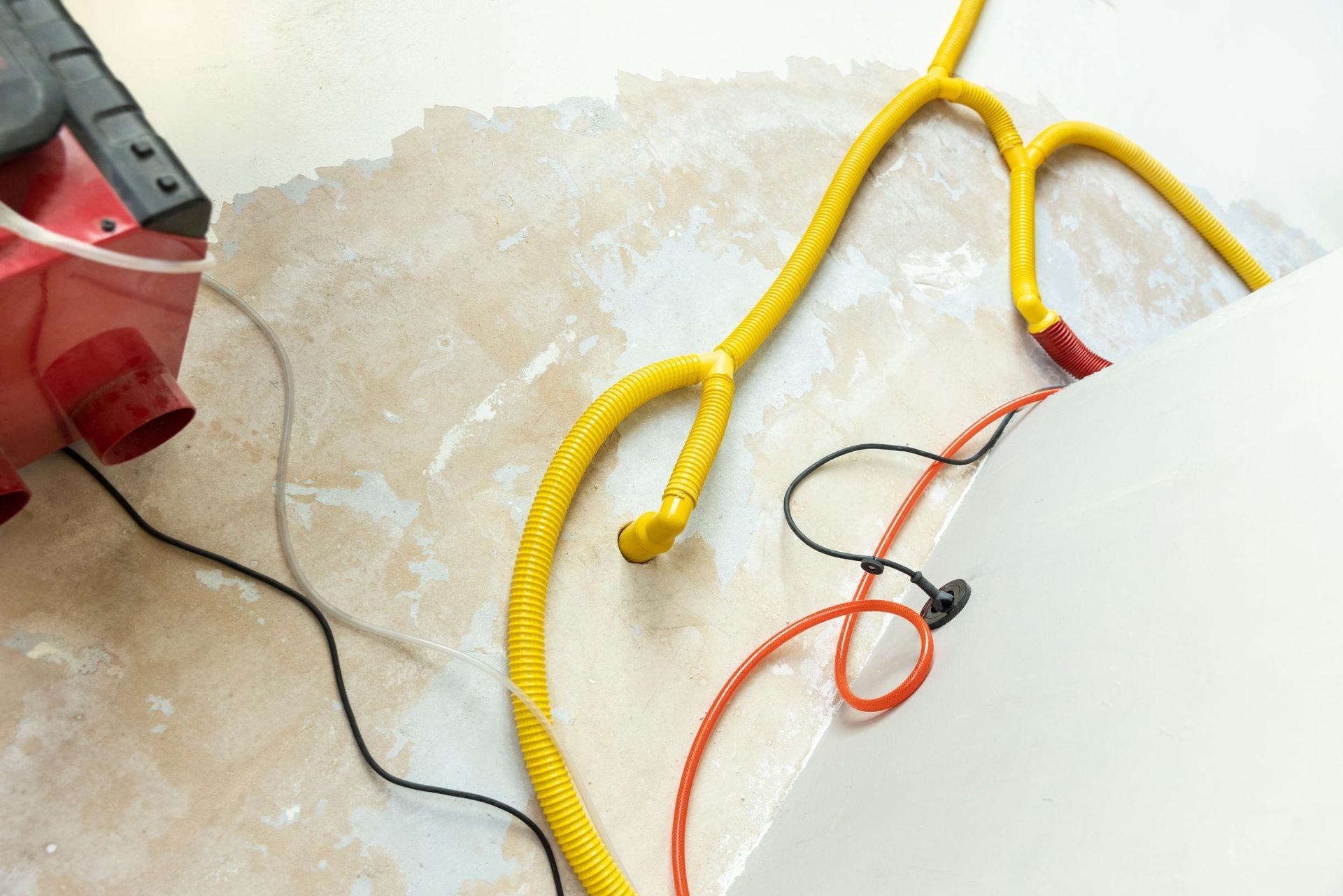
Accurate documentation is vital when water damage leads to an insurance claim. Insurers typically require evidence of the source, extent of damage, and steps taken to mitigate further loss.
Premier Loss Advisors
prepares detailed reports that include photographs, moisture readings, and written assessments of affected areas. This documentation supports the claim by demonstrating the necessity of restoration work and the condition of the property before repairs begin.
Scope of Restoration Work
Inspection findings help define the tasks required for drying, cleaning, removal, and reconstruction. Clear scope development prevents misunderstandings about what is necessary to restore the property.
Supplemental Damage Identification
Additional issues may emerge as materials are opened or drying progresses. Ongoing inspection ensures these damages are recorded for inclusion in supplemental claims if applicable.
Compliance With Policy Requirements
Timely reporting and proper documentation help meet policy conditions and reduce the likelihood of disputes during claim evaluation.
Local Conditions Affecting Water Damage in Highland, IN
Highland, IN experiences seasonal weather patterns that can contribute to water intrusion, including heavy rainfall, snowmelt, and fluctuating temperatures. Properties with basements or aging plumbing systems may be particularly susceptible to moisture issues.
Soil composition and drainage characteristics in the region can influence how water accumulates around foundations and how quickly it dissipates. Understanding these local factors helps establish the cause of damage and guides appropriate restoration strategies.
Premier Loss Advisors
provides inspection services tailored to the environmental conditions specific to Highland, ensuring that assessments accurately reflect the challenges faced by properties in the area.
Guidance From Initial Assessment to Restoration
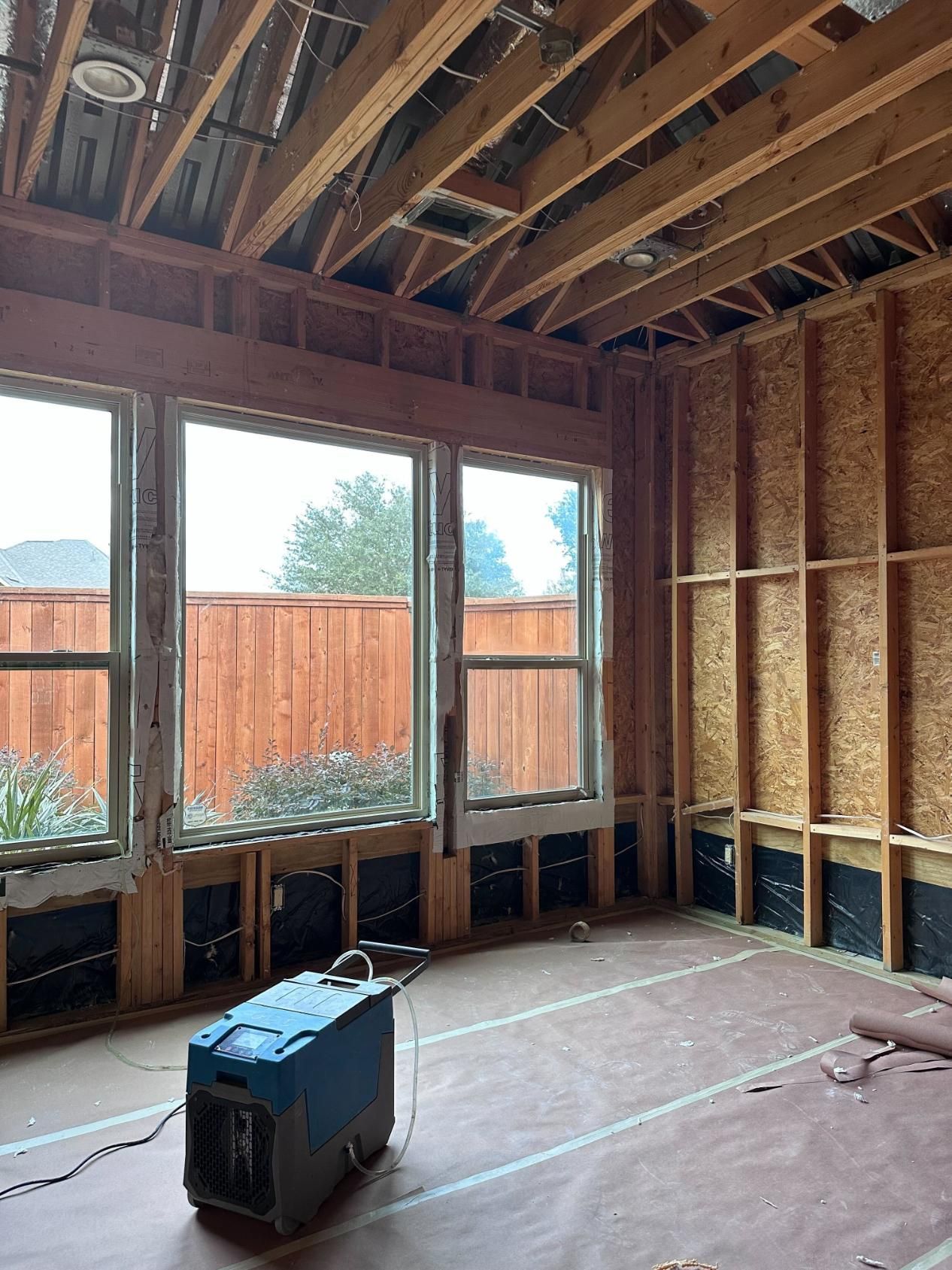
Water damage recovery involves immediate mitigation, ongoing monitoring, and coordination with restoration professionals. Managing these steps while addressing insurance requirements can be complex for property owners.
Premier Loss Advisors
supports clients throughout the process, from the initial inspection through documentation and claim preparation. Water restoration inspections in Highland, IN provide the information needed to restore the property safely, prevent further deterioration, and pursue appropriate compensation when coverage applies.
